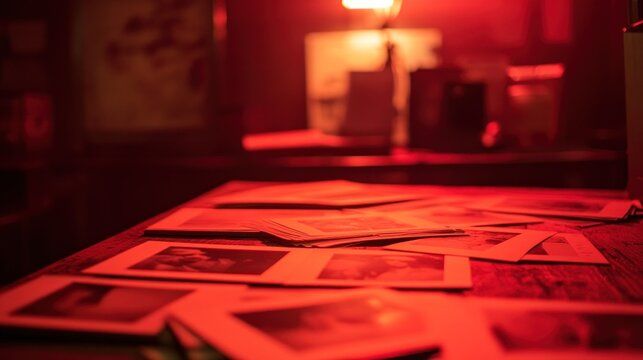
Not only a print, but a story
Every print, before becoming a photograph, has already travelled thousands of kilometres.
Across cities, mountains, villages and countless encounters.
Behind every frame, there are hours of walking, waiting, observing, and returning. There are conversations that lasted longer than expected. Strangers who became friends. Moments shared between two people before a photograph was ever taken.
There are sleepless nights, waiting for the film to come back from the lab. Wondering if those moments — still invisible — were really captured at all. Hours spent hunting down the right lab along the way.
Can I actually trust them?
Handing over the result of all that work to someone new, someone I don't even know yet.
Trust. Risk. Letting go.
Everything can tip one way or the other, in an instant.
Sometimes it's the drama of a careless lab ruining a roll — or simply a result that falls short of what I imagined. It's confronting your own work again, weeks later, after having created it, fantasized about it, dreamed it up, felt that small joy of pressing the shutter.
So yes, there's waiting. Sometimes disappointment. But mostly — excitement. The excitement of a child receiving a gift to unwrap. The promise of something new, making you vulnerable with every roll developed.
That non-immediacy might be the most beautiful thing about shooting film.
What you receive is not only a photograph,
but a fragment of a journey and a piece of humanity.
Why film ?
People often ask me why I still shoot film. Isn't digital better — sharper, faster, more megapixels? In China, this genuinely surprised me — I had to face it constantly: everyone carried the latest camera, 60 megapixels, convinced that better gear meant better photographs.
But a camera doesn't decide what's worth looking at.
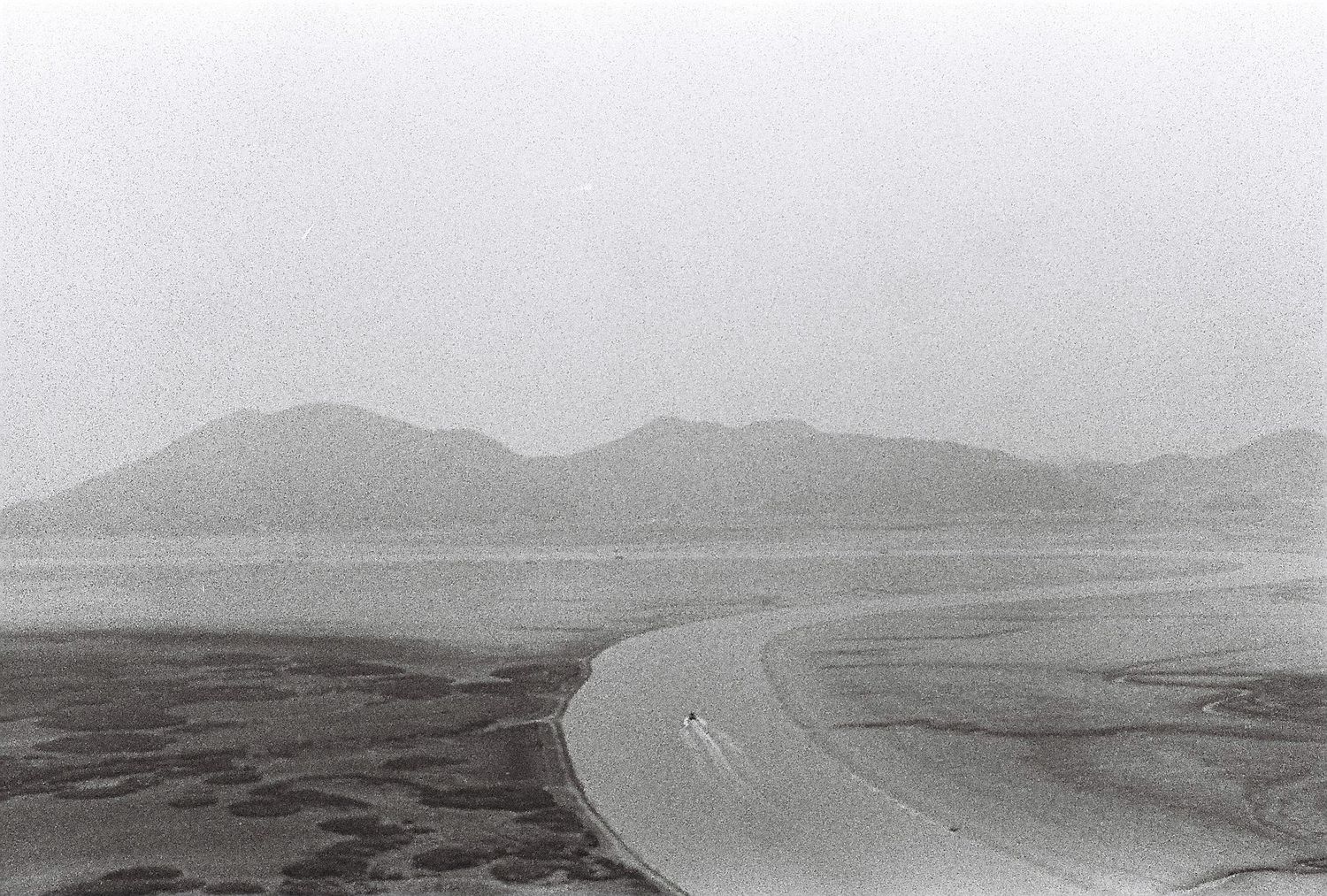
Film doesn't make my photographs technically superior — it changes how I look, and what I choose to keep. Every roll gives me 36 frames, no more. Each one is a decision, not a reflex.
Being a good photographer isn't about the equipment. It's about pressing the shutter at the right moment — and that is far harder than it sounds. Because what you see through the lens is the image you're about to take.
But you never know if the next one will be better.
You cannot learn from a burst of shots. You must take a single photograph. So you wait. You wait. You wait. And sometimes, you see it. The moment. It was here, for a fraction of a second, and it slipped away.
You press the shutter. But it's already too late.
Being a good photographer is making a decision — pressing at the right moment, and accepting the sentence, whatever it is.
That limitation is the point.
It forces attention instead of accumulation.
When I look at a film photograph, I see grain. I see texture, imperfections, a certain warmth in the way light falls and colors settle. It doesn't look flawless to me — it looks alive. I feel a presence in the material itself, something closer to touch than to a screen. Where digital often feels clinical to me, precise to the point of being sterile, film carries the trace of its own making.
To me, it feels human.
Value
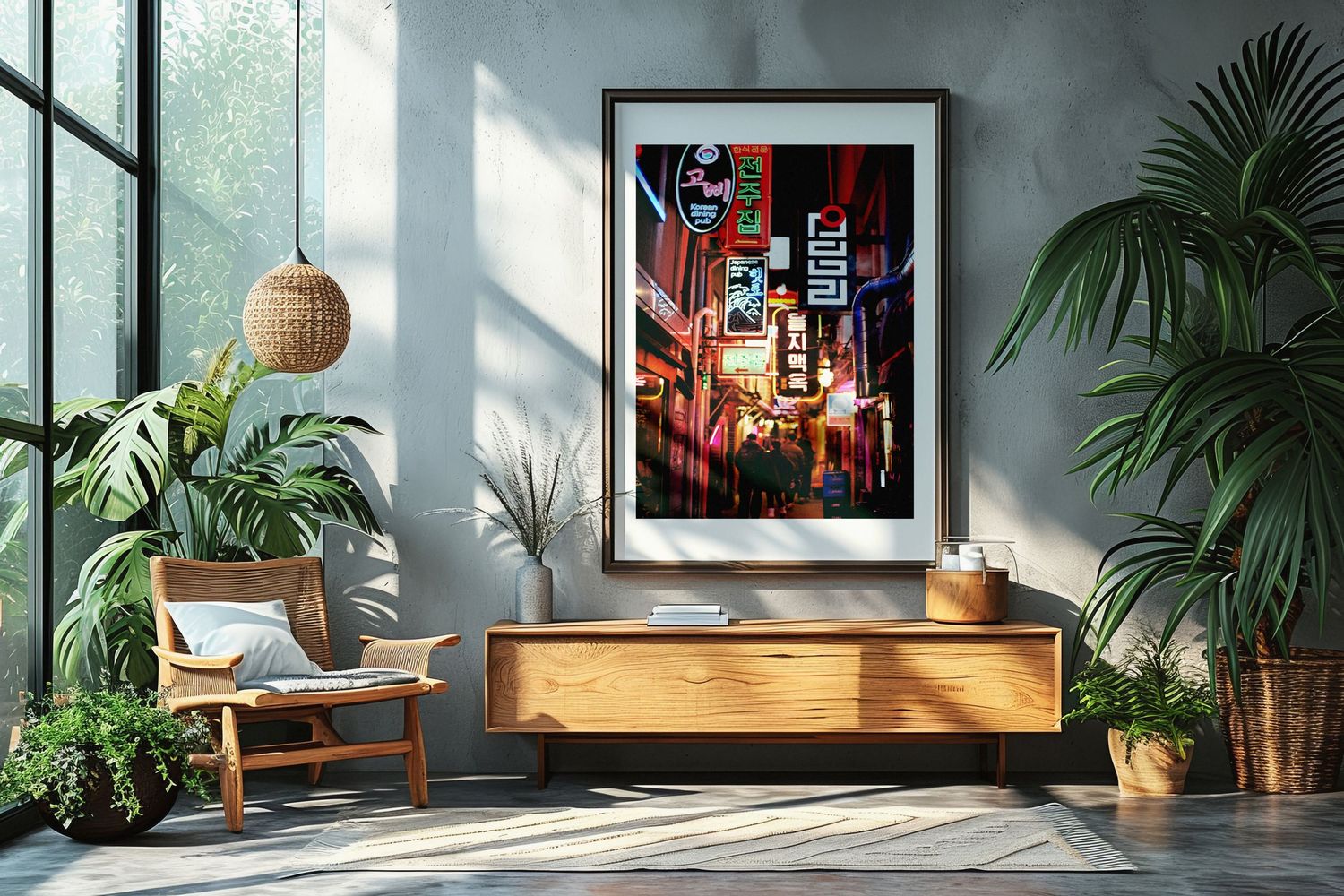
Print size Price
30 × 45 cm €129
40 × 60 cm €189
60 × 90 cm €279
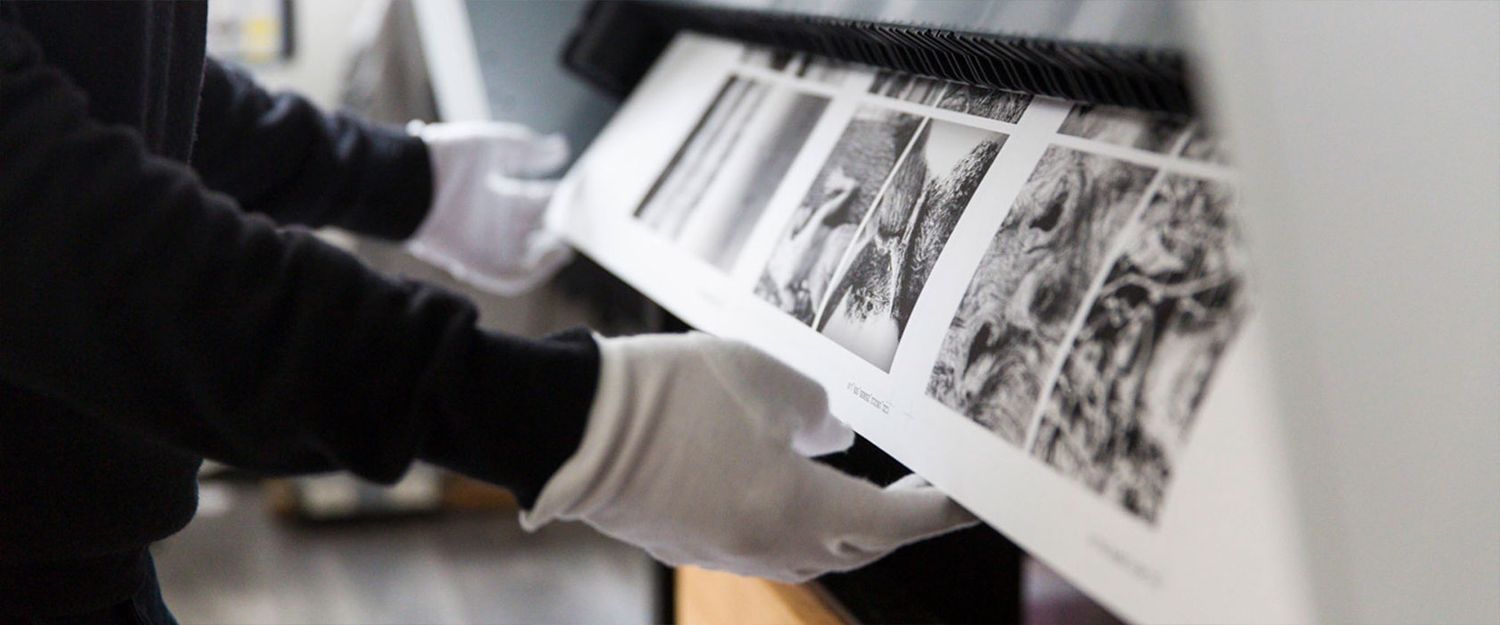
Every photograph is captured on 35 mm film, and each print is produced to order professionally developed in France in a laboratory founded in 1950, before being carefully prepared for museum-quality printing.
The price reflects the object.
The value belongs to the story.